
English in home education: a practical guide to planning, books and reading
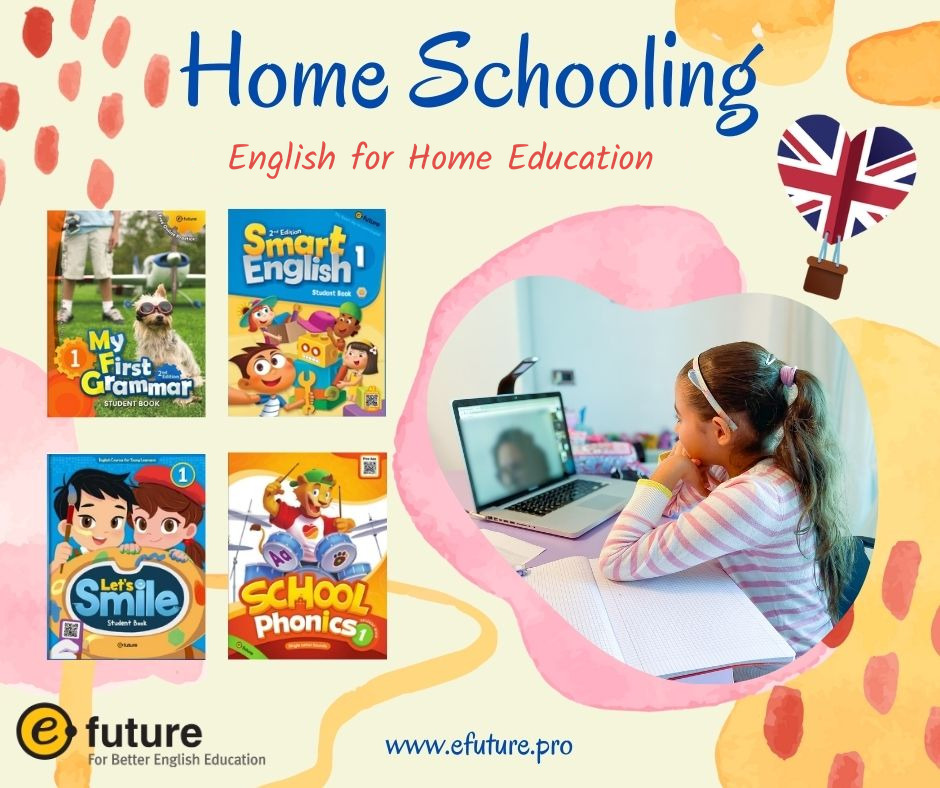

Teaching English as a foreign language at home is easier to organise when you know what your child can already do and what they need to work towards. A coursebook gives you a sequence to follow, audio provides a model to listen to, and an appealing story gives your child a reason to return to English beyond the lesson. You do not have to invent every activity or explain every language point yourself.
Start with the learning goals for the year, choose one main course at a suitable level, and make room for listening, conversation and reading for pleasure. This guide shows how to put those pieces together, with practical examples using e-future courses, English Wave, e-Library and MetaLibrary.
Contents
- Start with the learning goals
- Find a starting point with the e-future computer-based placement test
- Combine a course with phonics, reading and listening
- Compare courses: from Little Hands to English Wave
- e-Library and MetaLibrary: choose a reading experience
- Build a flexible weekly plan
- Your role as a parent, even if your English is limited
- Notice and record progress
- For families homeschooling in Poland: requirements and exams
- Frequently asked questions
- Sources and help choosing materials
Start with the learning goals
Before choosing a book, check the home-education rules that apply where you live. If your child is enrolled with a school or has to meet particular curriculum or assessment requirements, ask for the expectations for their year group and academic year. A list from an older year or a different school may not be the right guide. Families in Poland will find the relevant formal requirements in the Poland-specific section below.
Make a short list of questions for the school or teacher supporting your child:
- Which skills and topics should my child work towards this year?
- What written and spoken work will be assessed, and how?
- Are there assessment dates or arrangements we need to agree?
- How can we arrange a consultation, and what should we bring?
- What adjustments are available if my child has documented additional needs?
Turn the answers into a simple map: “understands”, “can say”, “reads” and “writes”. Add the book units and activities that will help with each goal. A course level or CEFR label alone does not confirm that a book covers every requirement of a particular school.
For younger children, leave plenty of room for simple instructions, movement, songs, short exchanges and pictures. Introduce reading and writing gradually. Older learners need increasing independence in understanding texts, responding in conversation and expressing their own ideas. At both stages, the aim is to use English, rather than simply complete exercises.
Find a starting point with the e-future computer-based placement test
Before buying a course, try the e-future computer-based placement test. Your child completes the tasks and receives a result with recommended learning materials. The English guide to the test and its report explains how to prepare and use the recommendations.
The test has levels 1–6, described in relation to primary-school grades 1–6. Choose flexibly according to your child's learning so far, rather than age alone. There is no separate preschool test. Allow roughly 20–35 minutes for 30–40 questions, with a quiet place and working audio. The tool also works on tablets and smartphones.
What does the report show?
The eFuture guide describes an overall score, a recommended level and a breakdown under six headings:
- Listening;
- Grammar;
- Vocabulary;
- Reading;
- Writing;
- Speaking.
Alongside the results, you receive suggestions for e-future coursebooks, readers and comics. That gives you specific materials to explore, instead of choosing a book simply because its number matches your child's school grade.
Download the PDF report as soon as the test is complete. The publisher does not save results on the website. Keep the file so you can return to it or discuss it with a teacher.
Turn the result into a book choice
Look at the recommended materials and a sample lesson first. Then compare the areas in the report. If your child understands audio comfortably but needs more support with text, an accessible reader with audio may be useful alongside the main course. Discuss marked differences with a teacher or educational adviser. For a score close to zero or 100, the publisher suggests trying the neighbouring lower or higher test level, where available.
The report headings are a starting point, not a full assessment of an independent conversation or extended piece of writing. Add a short conversation with a teacher and a writing sample to understand those skills better. The result recommends materials; it is not a qualification or a school exam result. For an older learner considering English Wave, also examine the series samples and suitable placement guidance rather than automatically transferring the result of a primary-level tool.
Add three relaxed observations at home
Notice what your child can do in an ordinary activity. This complements the test and helps you find a suitable starting point for younger children. There is no need for another formal assessment at the kitchen table; spread these small activities over a few days if that feels easier.
- Listen and respond. Play a short recording from a resource you are considering. Ask your child to point to a picture, person or object. With instructions such as “Stand up” or “Show me something red”, notice whether they understand without a word-by-word translation.
- Look at a text. For a beginning reader, offer a few familiar words and a very short text with audio. Notice whether they decode the print, recognise remembered words or mainly guess from the pictures. For a child who is not yet reading, use listening and picture discussion instead.
- Make room for an original answer. Ask about a favourite animal, food or activity. A younger child might point and name it; a more independent learner might say a few sentences, ask a question or write a short message. Separate what they understand from what they can say or write independently.
Write down two strengths and one next step. For example: “Understands a description of a room, knows furniture words, needs help describing their own room.” This is more useful when choosing materials than a broad label such as “not good at English”. It is an observation, not a specialist diagnosis.
CEFR is a framework describing language proficiency, including levels A1, A2, B1 and B2, not the name of a test. A book number is not a school grade either. Two children of the same age may need different starting points.
Combine a course with phonics, reading and listening
You do not need several complete courses at once. Choose one as the main path, then add focused practice where your child needs it.
- A course gives learning a structure. The Student Book introduces and develops language; the Workbook provides further practice. A matching teaching guide helps the adult plan and sequence the activities.
- Phonics connects sounds with print. Children learn how sounds relate to letters and letter combinations. Examples include Smart Phonics, School Phonics and Speed Phonics. Choose a coherent sequence with audio rather than mixing unrelated pages from different levels.
- Reading materials develop understanding of texts. Smart Reading and Discovery focus on reading. Discovery uses nonfiction about the world and real-life topics; it does not replace a general English course. Library readers offer another opportunity to enjoy complete stories.
- Listening needs its own place in the week. Use the recordings for the course and readers. If your child needs extra listening-comprehension practice, consider a focused resource such as Smart Listening.
Phonics work does not have to wait until a child reads fluently in their first language. Listening, rhyming and noticing sounds can begin earlier, while work with print should match the child's readiness. If an English word is difficult to read, return to its recording and familiar sound–letter patterns rather than rewriting its pronunciation using another language's spelling system.
Make space for curiosity too. A child interested in space might read a short text about planets; an enthusiastic cook could make an English ingredients list; a younger learner could label a drawing. Connecting language with other subjects, often called CLIL, can also work at home.
Compare courses: from Little Hands to English Wave
Compare the topics, sample difficulty and style of activity before relying on a suggested age. Check the exact level and edition. Student Books, Workbooks and Teacher's Manuals have different roles; seeing them listed for a series does not mean they are all included with one book.
Little Hands: movement, music and play
Little Hands is an early-years course with four levels: Nursery and 1–3. It uses songs, stories, simple expressions and craft activities. Distinguish the Student Book from the Activity Book when choosing materials.
At home, listen to a song, point to familiar objects and use one expression during play. This does not have to become a written lesson with a mark at the end. The age suggested on a product page is guidance, not a compulsory level assignment.
Hand in Hand: language, projects and the wider world
Hand in Hand runs from Starter through levels 1–6. It combines vocabulary and language structures with comics, songs, cross-curricular content and projects. A topic can lead to your child's own drawing, model or short presentation.
The shop lists materials from different editions, including Hand in Hand 1 Student Book, 2nd Edition. Match the Workbook, recordings and teaching support to the edition you choose. “Hand in Hand 1” alone is not enough to identify a compatible set.
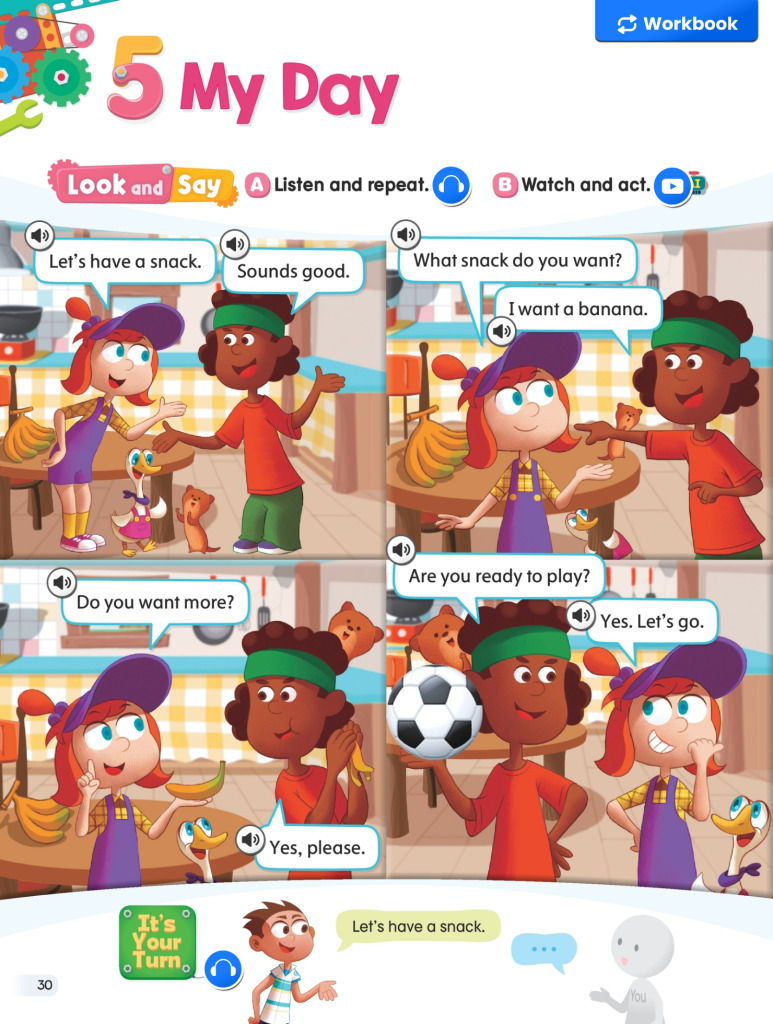
Let's Smile: stories, songs and familiar language revisited
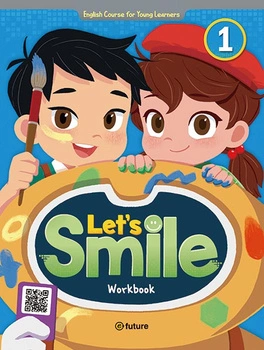
Let's Smile is a seven-level primary course: Starter and levels 1–6. Animated stories, songs, games and exercises bring children back to expressions they have met before. CLIL content and World Link sections connect English with the world around them.
After listening to a dialogue, your child could choose a role, repeat a few lines with the recording and then change one detail: a name, colour or favourite object. Follow that spoken practice with a suitable written task.
Smart English: everyday conversations and comics
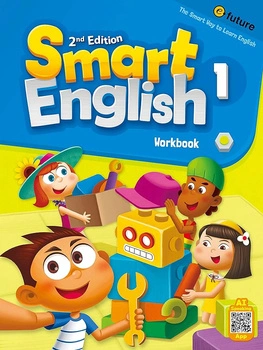
Smart English also runs from Starter through levels 1–6. Its characters and comics provide a context for everyday expressions, while review units revisit earlier language. The current Smart English 1 Student Book page describes the second edition.
Listen to the characters' exchange, act out a short section and then use the expression to talk about your child's own life. When choosing digital extras, check the edition and current availability. A clear dialogue, a recording and an opportunity to use the language in a real exchange remain the useful starting points at home.
English Wave: a main course for teenagers
English Wave is a six-level course for teenagers. It combines vocabulary and grammar with listening, speaking, reading and writing. Consider it when an older learner needs a main course with age-appropriate topics, rather than another book devoted to just one skill.
The books carry these CEFR labels:
- Book 1 — A1;
- Book 2 — A2;
- Book 3 — A2–B1;
- Book 4 — B1;
- Book 5 — B1–B2;
- Book 6 — B2.
These describe the material's range, not a guaranteed outcome after finishing a book. An older beginner does not need a high book number simply because of their age.

The Student Book guides the learner through topics, texts, recordings, structures and communication tasks. The Workbook gives practice for the same level, including written work. The Teacher's Manual is a separate component for the person teaching. Before ordering, confirm which materials and digital access the selected option includes.
Spread work on a topic across several sessions. For example, when practising a conversation about school subjects:
- Listen to a dialogue and find out who likes a particular subject.
- Read a section and revisit a few useful expressions.
- Have your child answer about their own preferences, then ask someone else a similar question.
- In a later session, use the matching Workbook exercises and write a short paragraph about their interests.
- Return to the topic during review, this time with fewer prompts.
A whole unit does not have to fit into one lesson. Add conversation with a teacher or language partner so your teenager can also respond to unexpected questions. The course organises the work; interaction with another speaker and any school requirements still need attention.
Watch the publisher's short introduction to English Wave and explore English Wave 1 Student Book. Use the selected product details and eFuture's advice to confirm what your purchase includes.
e-Library and MetaLibrary: choose a reading experience
Graded readers are books written or adapted for language learners. They help you match the language to your child's reading level instead of immediately choosing books intended for fluent first-language readers. e-Library and MetaLibrary share a catalogue containing short stories, phonics readers, comics and adapted classics, with a main range of Pre-A1–B2. The main difference is how children explore the books and take part in activities around them.
e-Library: bookshelves, audio and reading activities
e-Library uses a familiar bookshelf view. Children choose a book, listen to its audio and follow the highlighted text. A dictionary helps with unfamiliar vocabulary. After reading, they can use the available activities, quizzes or games, and record themselves reading aloud. Check the activities offered for the particular title.
This is a useful option if you want to focus on choosing a story and reading with audio. A teacher can recommend books and review reading activity, recordings and results. As a parent, you can talk about the stories and work with the teacher to notice the next steps. eFuture recommends using e-Library on a computer.
MetaLibrary: reading, missions and a personal avatar
MetaLibrary presents reading in a game-like environment. Children have an avatar and a personal library space, earn rewards, complete missions and can take part in rankings. This format may appeal to a learner who enjoys a visible goal and arranging their own virtual space.
The book remains central. Children can listen, follow the text and use vocabulary support. The guide also describes reading aloud and feedback on recorded sentences. Selected books offer text-based conversations with characters: the learner types a response or chooses a suggestion. This is an additional reading activity, not a live voice conversation with a teacher, and activities vary between books.
The teacher assigns missions and reviews reading, quiz results and activity. At home, ask about a character or favourite scene as well as looking at points. Automated feedback on a recording can guide practice; it is not a school grade or a diagnosis of a child's learning needs.
MetaLibrary runs in a browser on laptops, Chromebooks and desktop computers, with support for iOS and Android too. Try it on the device your child will use, paying particular attention to text size, audio playback and ease of navigation.
Choose a library and arrange access
Start with how your child likes to read. If they enjoy browsing shelves and choosing the next story, explore e-Library. If missions, rewards and an avatar help them return to a book, compare MetaLibrary. In either case, look at the actual books and their difficulty before the extras.
eFuture's current English-language offer for European schools is group-based, with a minimum of 10 students; it is not an individual family subscription. Each learner uses their own login. A homeschooling family can ask their school, group organiser or eFuture how access could be arranged. Families outside that market should ask about availability and terms for their location.
View the current subscription options, then ask eFuture about access for your group and country. The current library pages invite school and teacher trial enquiries; ask whether a trial can be arranged for your setting. Confirm the duration, price and included access before ordering, rather than planning to share one login between siblings or families.
A simple routine: choose, listen and respond
Try about ten minutes together to begin with, adjusting the length to the child and story. A longer book can continue over several days.
- Let your child choose from two or three accessible books. The topic should interest them, and the language should allow them to follow the story without constant translation.
- Listen and read a section with audio. They can revisit a favourite page, listen again or try reading a short line aloud.
- Invite a personal response: point to a funny picture, draw a character, answer a question or say one sentence about the story. A beginner can also discuss the plot in their first language.
- Choose what comes next. Use a game or mission if it adds something, but leave room to finish with the story itself and return tomorrow.
After a few weeks, notice whether similar stories feel easier, your child needs fewer prompts or they start choosing titles independently. Those observations matter alongside dashboard information. Book totals and points alone do not tell you how much a child understands.
Build a flexible weekly plan
Give English a regular place in the week, while keeping the length and order flexible. You might begin with 10–15 minutes for a younger child or 20–30 minutes of focused work for an older learner, with separate opportunities for relaxed reading and listening. Treat these as starting points to try, not required daily targets. Adjust for tiredness and the difficulty of the material.
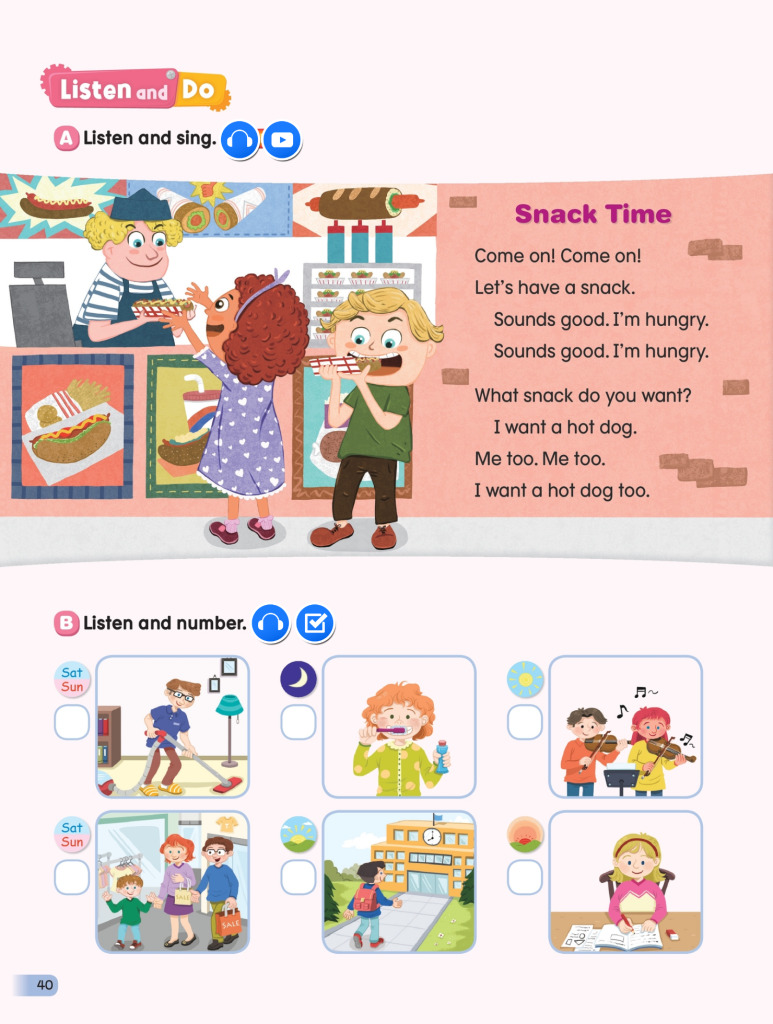
Here is an example week for a primary-age learner:
- Monday — course and audio. Introduce a small part of a topic. Your child listens, points and tries using the expressions.
- Tuesday — reading. Read part of a graded reader in e-Library, MetaLibrary or print. Ask one question about its meaning or make a drawing afterwards.
- Wednesday — listening and conversation. Revisit a dialogue, swap roles and add an original answer. Include a short phonics activity if needed.
- Thursday — practice. Choose Workbook tasks for language already practised aloud. There is no need to finish several pages at once.
- Friday — use the language. Describe a picture, write a message, talk about a hobby or make a small project. Briefly revisit something that was difficult.
- Weekend — the child's choice. A book, song, game or film at a suitable level, without turning every activity into a test.
For a preschool child, simplify this to songs, movement, pictures and useful expressions during play. For a teenager using English Wave, allow more time for reading, writing and independent conversation. You do not have to use every type of material every day.
When a week goes off course, return to a shorter version: part of a familiar recording, one page of a book and a few original sentences. Avoid automatically making up for missed days with a long catch-up session. If the material is consistently too difficult, change the level or ask for help choosing it.
Your role as a parent, even if your English is limited

You can create good conditions for learning without being a fluent English speaker. Have the recording ready, help your child begin and take an interest in what they have done. Check pronunciation against the audio rather than guessing. Write down questions you cannot answer and bring them to a teacher.
A teaching guide for the right series can help you understand the order of activities. eSmartClass provides another kind of support: course e-books, recordings, activities and results that a teacher can review. It is a course-learning platform, not the same thing as a reading library. Materials and permissions depend on the series and account, so ask eFuture how access works for your home-education arrangement.
e-future mobile apps can supplement selected series. Check the edition and the resources currently available. An app is most useful alongside a clear learning goal and opportunities to talk.
Separate being a parent from constantly checking performance. Instead of asking for a score, ask what your child can say today or which character made them laugh. Give them time to answer. You can model the correct form when practising a particular structure without interrupting every mistake during a story.
A school consultation can clarify expectations and assessment. An individual lesson can focus on a particular difficulty; a pair or group can provide conversation with other learners. Choose according to your child's needs and readiness rather than a fixed age for starting online lessons.
Notice and record progress
Keep a small portfolio or digital folder. It does not need every completed worksheet. Every few weeks, save a brief example of what your child can do:
- a recording introducing themselves or answering a question;
- a short piece of independent writing, with a date;
- a book title and a sentence about the story;
- a note about what they understood from audio without help;
- an example of English used beyond the book, such as a description of their own project.
Compare similar tasks over time. Notice how much prompting is needed, whether instructions make sense without translation and whether familiar language appears in a new situation. Record the help given as well as the outcome: a completed exercise with support and an independent answer show different things.
Agree on a small next goal together, such as describing a bedroom or reading a short story and explaining what happened. Revisit any school requirements too. An eSmartClass or library dashboard can add useful information, but an app report or completion certificate does not replace a formal assessment required by your child's education system.
If difficulties persist despite a change of pace and approach, speak with a teacher. One app score or reading attempt cannot explain the cause of a learning difficulty.
For families homeschooling in Poland: requirements and exams
The arrangements in this section apply to Poland. A child in formal home education remains enrolled at a school while the family organises day-to-day learning. Ask that school for the English requirements for the correct year group and academic year, the assessment arrangements and opportunities for consultation.
Formal home education in Poland can also cover the compulsory preschool preparation year, with the headteacher's permission. It is not limited to school-age education. Younger children can enjoy English through play regardless of the education arrangement. The gov.pl guide to obtaining home-education permission (in Polish) explains the procedure.
The annual school classification exam and the national Grade 8 exam are different assessments. Annual classification in home education is based on examinations under the applicable Polish rules. The Grade 8 exam is an external examination at the end of primary school, with a format set by Poland's Central Examination Board, CKE.
Annual classification: turn requirements into tasks
For each requirement, identify an activity. To practise describing people, talk about a story character. To work on understanding short spoken texts, choose a recording and questions about specific details. For a written message, start with a model and gradually reduce the prompts.
Before the exam, revisit the school's guidance for written and oral work. Practise reading instructions and completing short tasks without an open book. Arrange a relaxed conversation with a teacher or another English speaker so your child can answer someone outside the family as well.
According to the Polish Ministry of Education announcement of 21 August 2026 (in Polish), classification exams are held in person, including in the 2026/2027 academic year. Detailed new organisational rules take effect on 1 September 2027. Agree the date, place and arrangements with your child's school rather than planning an online classification exam.
Grade 8: add practice with the CKE format
The English exam guide applying from 2024/2025, updated in 2025, covers listening comprehension, language functions, reading comprehension, language resources and writing. It does not include an oral component; speaking still matters for language learning and school classification.
Use the current CKE exam guides (in Polish) for the year your child will sit the exam. Include open-ended tasks and writing that follows the instructions, alongside broader language learning. A collection of past papers is not a complete English programme. The English-language eFuture guide to Poland's Grade 8 English exam: resources and a study plan for 2026/2027 offers further planning ideas.
The Polish Integrated Educational Platform also provides free English materials for grades IV–VIII, with Polish navigation. Select tasks that fit your child's present needs and school requirements.
Frequently asked questions
Do I need good English to organise learning at home?
You do not have to explain all the material yourself. You can organise regular practice, recordings and suitable books, and take language questions to a teacher. If you find it difficult to assess your child's speaking or provide conversation, plan some teaching support. Audio and answer keys help, but do not replace every part of a teacher's expertise.
Can one coursebook prepare my child for assessment?
It can be the main structure for learning. Compare its content with the requirements that apply to your child, and add any missing skills or topics. Make room for independent conversation, listening, reading and writing. The number on a book is not evidence of exam readiness.
Do Discovery and English Wave have the same purpose?
No. English Wave is a general course developing several language skills for teenagers across A1–B2. Discovery develops reading through nonfiction texts. It can complement a course when the level and topics suit the learner.
Must my child read fluently in their first language before starting phonics?
There is no universal requirement to do so. Distinguish listening and sound games from independent reading. Match work with sounds and print to your child's readiness, use audio and increase the difficulty gradually.
Can I buy library access for just one child?
The current eFuture European school offer is group-based, starting at 10 learners, rather than an individual family subscription. Ask your school or eFuture about an arrangement for home-educated learners and confirm availability for your country. Do not assume one login can be shared by the whole family.
What if my child collects rewards but understands little of the story?
Choose an easier book and read a section together. Ask them to point to an event, choose a picture or give a brief response to the plot. A MetaLibrary mission can encourage another visit, but points should support reading rather than replace understanding or enjoyment.
How much time should we spend on English each day?
Begin with a length of activity your child can take part in without becoming overtired. Spread shorter encounters across the course, reading and listening. The times suggested above are examples to try; adapt them to your child's stage, needs and school expectations.
Sources and help choosing materials
Useful references to return to:
- e-future's course and level chart.
- The current guides to e-Library and MetaLibrary, and the English MetaLibrary guide, PDF.
- For Poland: home-education permission guidance, the Ministry's announcement on in-person classification exams and the CKE English exam guide, 2025 version, PDF. These formal sources are in Polish.
For help choosing a course and readers, contact eFuture. Have your child's current materials, placement report and a short example of what they can do independently ready. Include any school requirements and your country, so the team can advise on suitable materials and the access options relevant to you.
Recommended
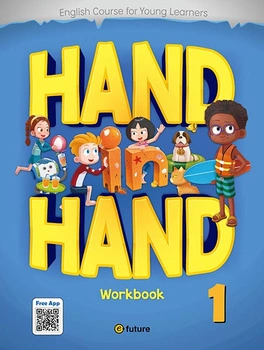
Hand in Hand 1 Workbook

Hand in Hand 1 Teacher's Manual

Let's Smile 1 Student Book
Let's Smile 1 Workbook

Let's Smile 1 Teacher's Manual

Smart English 1 Teacher's Manual
Smart English 1 Workbook
