

A parent asks whether their child should take a Cambridge English exam. Instead of starting with a list of certificate benefits, show two pieces of the learner’s work: something they can do independently and something that still needs support. The conversation then concerns this child’s learning.
Pre A1 Starters, A1 Movers and A2 Flyers can provide a shared reference point and information for further learning. Each child can take them at a point that suits their learning. Both “let’s prepare” and “let’s return to this later” can be sound decisions.
What an exam can contribute
Cambridge describes its Young Learners qualifications as a gradual pathway in English. For a teacher and family, useful purposes may include a shared description of skills, experience of a particular task format and feedback on strengths and areas to develop.
A purpose that fits the learner works best, such as working calmly through familiar task types and noticing what they can manage independently.
The pathway can be tailored too: one stage or several in sequence. Their current English, learning history, needs and willingness matter more than collecting a sequence of documents.
What shields show
Young Learners cover four language skills in three parts: Listening, Reading and Writing, and Speaking. There is no pass/fail division. According to Cambridge’s results guidance, children receive a certificate showing up to five shields for each part, as well as a Statement of Results with strengths and areas for improvement.
Shields show how a child performed on particular tasks — different information from a school grade. Add classroom observations: does the learner ask questions, follow meaning without prompts, attempt independent writing or choose to use English?
Rather than saying, “You did not get enough listening shields”, try, “You sometimes miss a detail in listening tasks. Let’s see whether a second listen and a careful look at the question help”. This tells the learner exactly what to do next.
Four areas to discuss before deciding
These four prompts help a teacher prepare the conversation with a family.
- Language and instructions. Can the learner understand a sample task after a calm explanation? Record missing language separately from uncertainty about what to do.
- The assessment situation. How do they respond to a short sample and to speaking with a less familiar adult? One difficult moment is a normal part of learning; if a child feels clearly stressed, give them more time and introduce the format gradually.
- The child’s view. Do they understand what will happen, and do they want to try? Ask, “Which task felt comfortable? Where would you like some help?”.
- The family’s circumstances. Are the date, travel, cost and preparation realistic? Confirm the current format and arrangements with your examination centre, which will explain its own procedures.
If the difficulty is mainly linguistic, plan further learning. If the instruction is unfamiliar, practise that instruction without pressure. If the child prefers to wait, agree another goal and revisit the conversation using later work samples.
A small classroom activity before a larger decision
In 1200 Words for Tests Starters 1, Unit 1, “Bodies and Clothes”, introduces vocabulary in a story and revisits it through “Link and Practice”. Choose a section suited to language the class already knows.
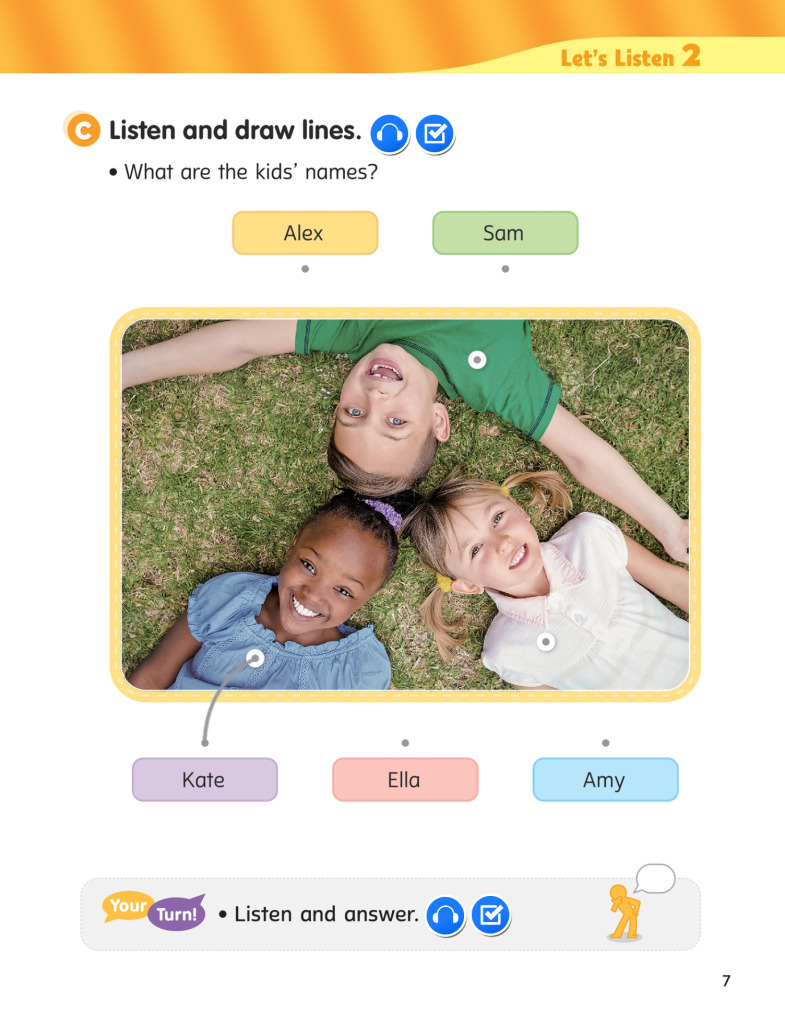
Read or listen to the story, ask learners to locate information in the picture, then invite a simple personal sentence about clothes or a character. Finally, put the material aside and notice what each learner can say without the model. Record a specific observation; several such notes give a fuller picture than any single activity.
The publisher’s Starters introduction video shows the material’s structure and personalisation. It gives you a quick view of how the book works in class. If listening needs more support, inspect the sample for Smart Listening 1.1. It is a Pre A1 resource that builds listening comprehension step by step, a useful companion to Starters preparation.
International levels and institutional requirements
The CEFR provides an international reference for language levels. Starters, Movers and Flyers describe its first stages — Pre A1, A1 and A2 — and show a child their progress. Each school, university or employer sets its own certificate requirements.
When a family asks about a particular institution, check the exact qualification, required result and current policy. The Cambridge recognition database is a helpful first check; the receiving institution confirms its final requirements, which can vary between European countries.
End with a concrete next step
For example: “Maya understands the main idea of a short story and answers questions about a picture. She still uses a model for written answers. I suggest some manageable spelling work and a short introduction to the task format. Then we can decide together about a date”. Wording like this gives parents a clear picture and a concrete plan.
If the family chooses an exam, agree the exact qualification, version and realistic preparation time. If they choose to wait, set an observable language goal for the next lessons. Either way, the conversation ends with a concrete next step in learning.