
English Learning Books and Coursebooks - Pre A1 Level (Starters)
( number of products: 106 )Looking for the perfect materials to start your students' English language adventure? Discover our Pre A1 coursebooks, phonics programs, and activity books that introduce young learners to English through play, songs, and engaging stories in a completely stress-free environment.

1200 Words for Tests Starters 1

1200 Words for Tests Starters 2

1200 Words for Tests Starters 3


EFL Phonics 1 Student Book with Integrated Workbook

EFL Phonics 2 Student Book with Integrated Workbook

EFL Phonics 3 Student Book with Integrated Workbook

EFL Phonics 4 Student Book with Integrated Workbook

EFL Phonics 5 Student Book with Integrated Workbook

Hand in Hand 1 Student Book
Hand in Hand 1 Teacher's Manual

Hand in Hand 1 Workbook

Hand in Hand 1 Workbook

Hand in Hand 2 Student Book

Hand in Hand 2 Student Book
Hand in Hand 2 Teacher's Manual
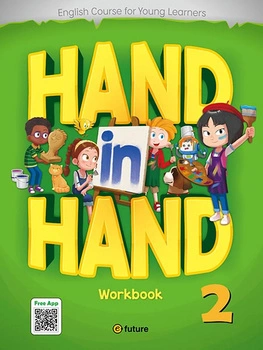
Hand in Hand 2 Workbook

Hand in Hand 2 Workbook
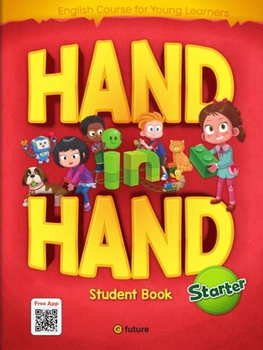
Hand in Hand Starter Student Book
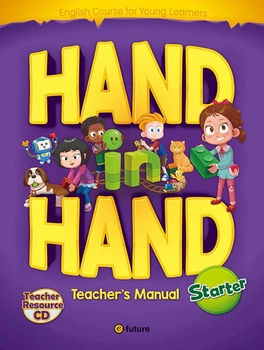
Hand in Hand Starter Teacher's Manual

Hand in Hand Starter Workbook
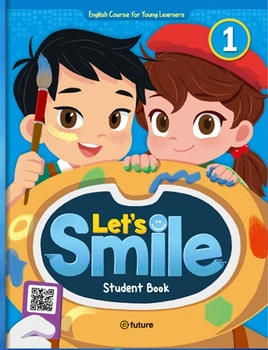
Let's Smile 1 Student Book
Let's Smile 1 Student Book
Let's Smile 1 Teacher's Manual
Let's Smile 1 Teacher's Manual

Let's Smile 1 Workbook

Let's Smile 1 Workbook

Let's Smile 2 Student Book

Let's Smile 2 Student Book

Let's Smile 2 Teacher's Manual

Let's Smile 2 Teacher's Manual

Let's Smile 2 Workbook

Let's Smile 2 Workbook
Let's Smile 3 Student Book
What Do Students Learn at the Pre A1 Stage (Starters)?
A student at the Pre A1 level primarily develops receptive skills (listening comprehension). They gradually begin to respond to teacher instructions using the Total Physical Response (TPR) method and start naming the world around them. Over time, they progress from single words to producing very simple, memorized phrases. The competencies at this stage, which align with the standards of the Cambridge YLE Starters exam, include:
- Vocabulary: Acquiring foundational lexical categories such as colors, numbers, animals, family members, body parts, toys, and basic school supplies.
- Communication: The ability to greet people, say goodbye, introduce oneself, and ask or answer the simplest questions.
- Listening Comprehension: Appropriately reacting to basic classroom commands and attentively listening to short songs and chants.
- Pre-literacy and Early Reading: In younger groups, graphomotor exercises dominate. In the later stages of Pre A1, children start recognizing letters and their sounds, preparing to decode simple words using the Phonics method.
Which e-future Materials Cover the Pre A1 Level?
Our offering for the Pre A1 level includes comprehensive core courses and specialized publications that seamlessly integrate to develop all essential language skills:
- Core Coursebooks: Series such as Little Hands Nursery and Little Hands (books 1-3) for the youngest learners, as well as Hand in Hand (Starter, 1-2), Let's Smile (Starter, 1-3), and Smart English (Starter, 1-3). These provide a complete educational pathway based on engaging stories, expanding vocabulary within a communicative context.
- Phonics: Series like EFL Phonics (books 1-5), School Phonics (books 1-4), Smart Phonics (books 1-5), and Speed Phonics (books 1-3) are indispensable tools for early reading. They introduce children to the world of sounds (from single letters and short vowels to more complex long vowels and digraphs), aiding in proper pronunciation and word decoding. We also offer alphabet books like the Smart ABC Book and the Little Hands Nursery ABC Book.
- Listening and Reading: Dedicated materials including Smart Listening (1.1 - 1.3), Smart Reading (1.1 - 1.3), and e-future DISCOVERY 1.1 - 1.3.
- Vocabulary and Exam Prep: The 1200 Words for Tests Starters (books 1-3) series is an excellent resource for solidifying the lexical base and comprehensively preparing young learners for their first international assessment—the Cambridge YLE Starters exam.
Why Choose e-future for Beginners?
By choosing e-future materials for the Pre A1 level, you are investing in robust ELT (English Language Teaching) methodology wrapped in a child-friendly format. Each of our courses offers extensive support for the educator, including detailed Teacher's Manuals, audio materials, and integrated Activity Books or Workbooks. This ensures that lessons remain dynamic and significantly reduces teacher preparation time. With e-future, your students' first steps in the English language will become a joyful and highly effective educational adventure.
Frequently Asked Questions (FAQ) - Pre A1 Level
What is the difference between "Pre-Readers" and standard Graded Readers?
Pre-Reader materials, such as our introductory comic books, are specifically designed for students who are just mastering the decoding of basic phonetic sounds. The sentences within them are incredibly short, based heavily on regular Phonics rules and repetitive "sight words." Standard Graded Readers (typically found at the A1 level and above) feature more complex plots, utilize past tenses, and require global reading comprehension skills. Our Pre A1 reading materials serve as the perfect methodological bridge, giving early learners the immense satisfaction of reading a whole book by themselves.
I have an older primary student (e.g., 9 years old) who is an absolute beginner. Is the Pre A1 level appropriate?
Yes, their English language knowledge is objectively at the Pre A1 (Starter) level. However, it would be a severe methodological error to use a coursebook designed for nursery or pre-school children (like the Little Hands series). The cognitive maturity of an older child requires materials that respect their age. In these cases, it is highly recommended to choose courses like Smart English Starter. These books start from absolute linguistic zero, but their pacing, modern graphic design, and analytical exercise types are perfectly suited to protect older learners from feeling infantilized.
My student has been learning with Pre A1 coursebooks for months and still isn't speaking. Is this a problem?
Not at all. This is an entirely natural and well-documented phenomenon in ELT methodology known as the "Silent Period." At the Pre A1 level, learners absorb passive knowledge intensely. They listen to chants, understand classroom instructions, and follow stories, but their speech apparatus and self-confidence need time before producing independent, spoken sentences in a foreign language. Teachers and parents should not force the student to speak during this time. Simply continue to engage them regularly with Workbook tasks and TPR activities, and spoken production will emerge naturally.
How should I sequence teaching reading pre A1 students from scratch using Phonics programs?
Teaching reading from scratch using the Phonics method in our series (e.g., Smart Phonics, EFL Phonics) follows a very strict, logical structure. You must always begin with the alphabet and single letters associated with their short sounds (Single Letters / Short Vowels). After these are mastered, progress to long vowels, and finally introduce complex blends such as consonant and vowel digraphs (Double Letter Consonants / Vowels). Strictly following this sequence is the ultimate guarantee of success in achieving fluent reading at higher proficiency levels.