

A learner finishes another book but still needs prompts in conversation. Another reads more demanding texts while studying with a younger class. In either case, the learner’s work says more about what to learn next than the next volume number.
Build a pathway from evidence of listening, reading, independent writing and interaction. Cambridge qualifications provide reference points, and eFuture materials develop the language and skills needed at each stage. With those roles clear, it is easier to choose the next resource and plan exam-format practice separately.
Age, CEFR and book numbers describe different things
Age helps you judge interests, maturity and ways of working. CEFR describes a language level. A volume number identifies a place within one series. All three, together with a sample of the learner’s work, show whether the learner can handle a particular exam.
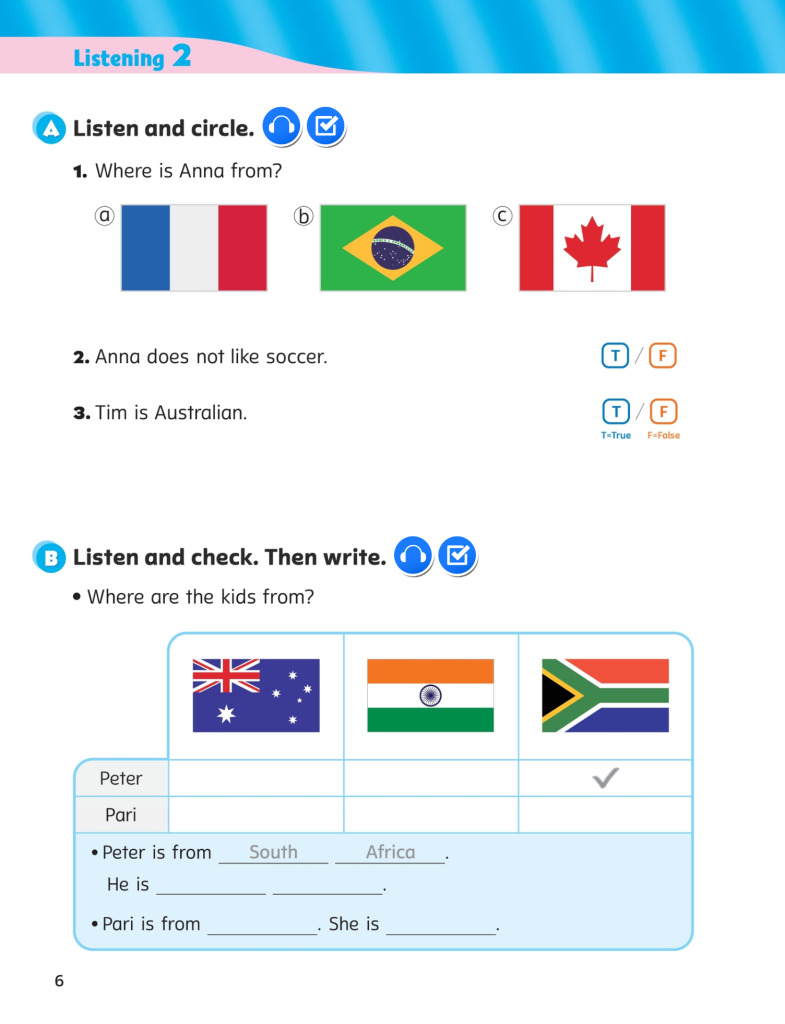
Inspect a sample before choosing. Can the learner follow meaning without constant translation, respond in their own words and write something independently? Compare volume numbers within one series; across series, compare CEFR levels and samples. An older beginner also needs different topics from a younger learner at a similar language level.
Starters, Movers and Flyers as reference points
Cambridge Young Learners comprises Pre A1 Starters, A1 Movers and A2 Flyers. All four skills matter at each stage, while tasks and independence develop. Check current requirements and examples in the official preparation resources.
This is a map of possible goals: a learner can take one stage, several in turn, or develop their English without an exam. Match the qualification to the learner’s level rather than to age or school year.
The roles of specific eFuture resources
| Goal | Resource and purpose | What to check beyond the book |
|---|---|---|
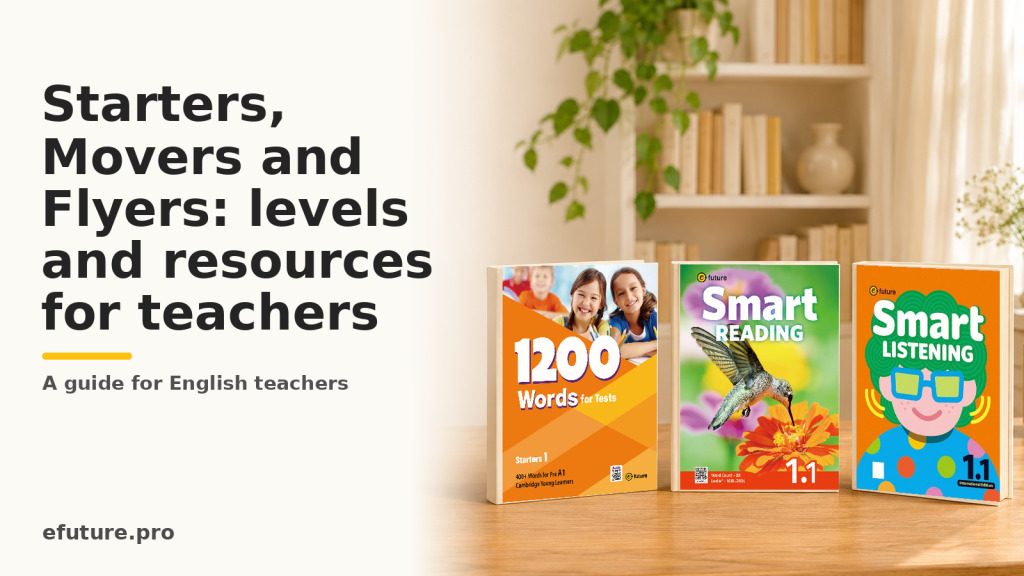
| Pre A1 / Starters | 1200 Words for Tests Starters has three volumes, working with words through stories, listening, writing and personalisation. Smart Reading 1.1 and Smart Listening 1.1 are Pre A1 examples. | Instructions, interaction and spelling, followed by an appropriate Starters sample. A single-skill book works best alongside work on the other skills. |
| A1 / Movers | 1200 Words for Tests Movers has three volumes. The Smart Reading level table places Levels 3 and 4 at A1 and Level 2 across Pre A1–A1. | Whether the sample suits the learner, and how listening and independent responses compare with reading. Compare levels across series by CEFR rather than by number. |
| A2 / Flyers | 1200 Words for Tests Flyers has three volumes. Smart Reading Levels 5 and 6 indicate A2. Smart Listening supports listening development up to A2 across the series; choose a specific volume by its sample. | Longer responses, independent writing and tasks from the current specification. Combine 1200 Words for Tests vocabulary work with complete exam tasks. |
| Further development / for Schools | English Wave is a six-level secondary course spanning A1–B2: Book 1 is A1 and Book 6 is B2. It supports general communication and skills development. | The learner’s level and interests, plus separate format practice for Key, Preliminary or First. Choose the English Wave book that matches the learner’s CEFR level. |
The CEFR ranges of eFuture series help you match a resource to a goal; plan practice in a specific exam format with official Cambridge materials.
One teaching decision at each stage
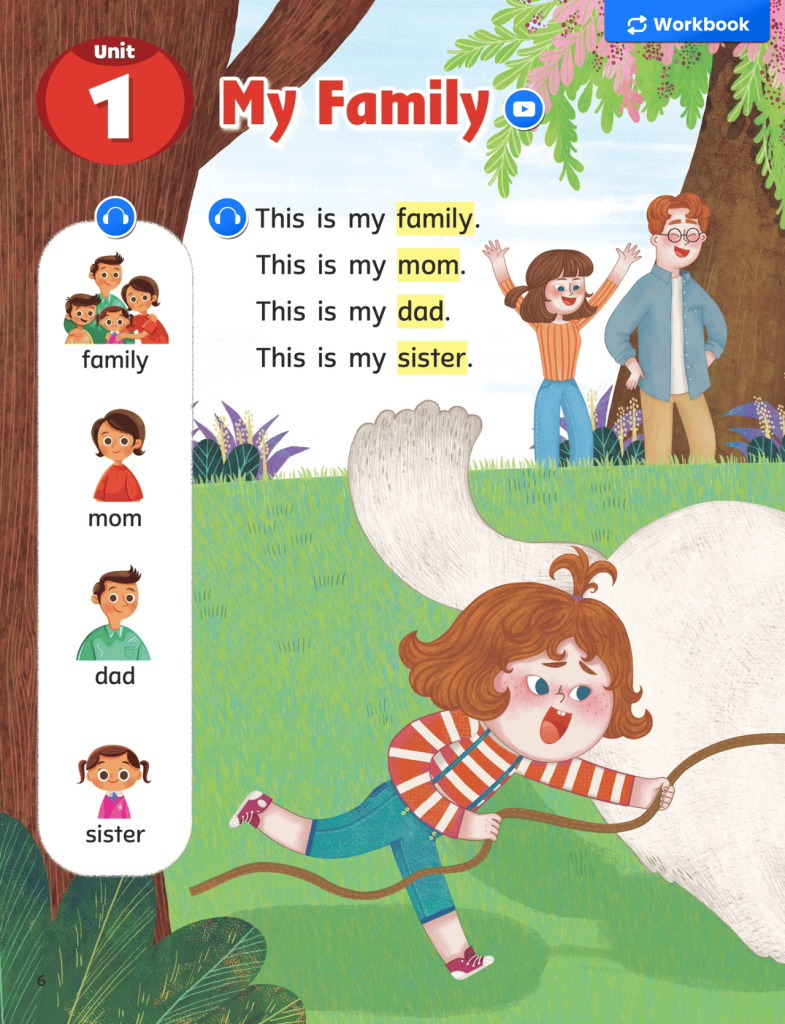
At an early stage, a learner might recognise picture vocabulary but not use it in a short response. A Starters story and personal question can connect the word with meaning. The Starters introduction video lets you inspect this structure.
Near A1, a learner may understand a text but miss details in audio. Choose focused listening practice rather than another reader, and reuse the language in speech. The Movers introduction shows more developed stories and work involving written responses.
At A2, a learner may know many words but give only isolated answers. Add storytelling, explanations and independent writing to reading work. The Flyers introduction shows definitions and longer content. Each video lets you check quickly whether the material suits your group.
After Flyers: make a new decision
A2 Flyers and A2 Key for Schools share the same target CEFR level, A2, but have different formats and audiences. Key can be a useful next step after Flyers: learners meet a new format at the same A2 level.
Possible later goals include B1 Preliminary for Schools and B2 First for Schools, depending on genuine readiness. “For Schools” indicates content suited to school-age learners, at the same CEFR level as the general version.
If a learner is already working at A2 and you change series, start with an A2 volume. Compare samples and choose the stage that provides the learning they need.
Build a coherent programme rather than a stack of extras
You can use a general course with skill books selected for particular gaps. You can also construct a programme from complementary skill resources. In the second model, check especially carefully that reading and listening are balanced with interaction, independent writing and planned returns to earlier language.
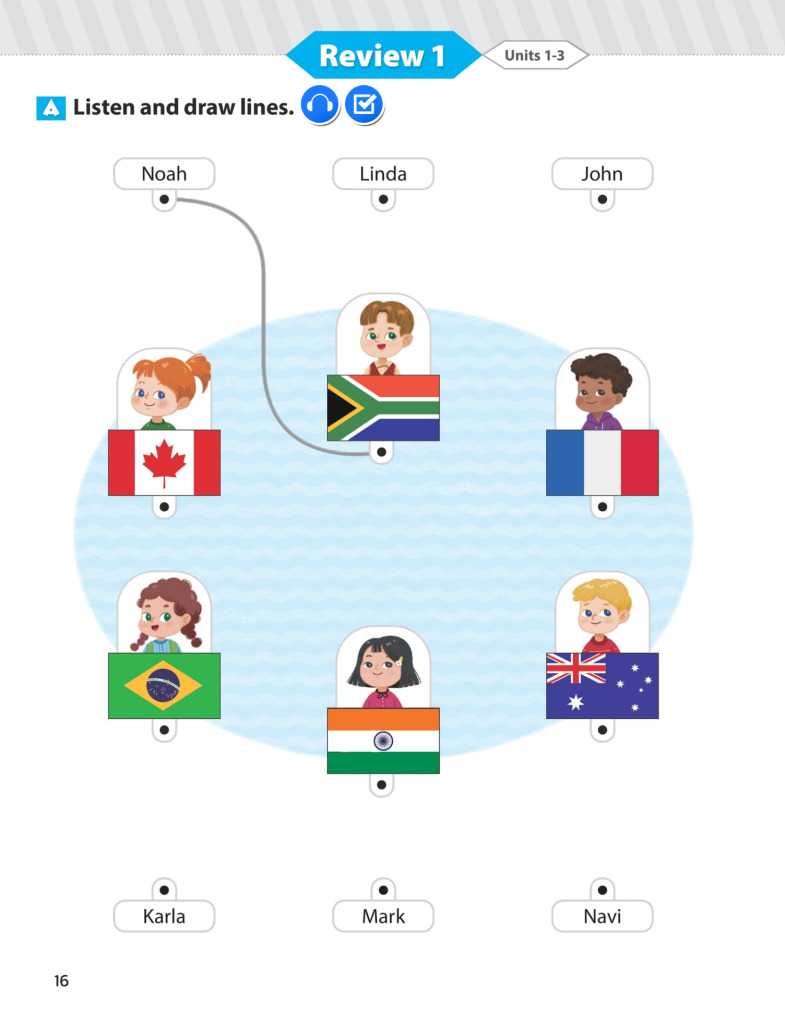
Once a term, collect a short sample of each skill and review the materials already in use. Note what is secure, what needs practice and what is missing. Add a new resource where you see a gap.
Start by comparing samples from 1200 Words for Tests, Smart Reading or English Wave, according to the need you have identified. For a resource-selection conversation, bring the class’s current skills, intended goal and a specific example of difficulty. These are more useful than age or an exam name alone.