
Children and teenagers are more likely to pick up a book when the subject interests them and the language lets them follow the story. e-Library and MetaLibrary make a wide choice of English books accessible at different levels. Learners can choose stories that appeal to them, while teachers help them find a starting point and encourage their next read. The “I Read in English” programme adds ready-to-use classroom ideas. At Europejska Szkoła Przyszłości in Warsaw, comics led to spaceship building, discussions about characters and pupils making their own picture dictionaries.
Start with an interesting story at the right level
Graded readers are books prepared for learners of English. The eFuture libraries offer short phonics stories, comics and retold classics. According to eFuture’s offer, both libraries draw on a shared catalogue; their main difference is how they invite learners to read and take part in book-related activities.
Match the language level to the learner’s interests. Look at vocabulary, text length and subject matter. The offer describes the main range as Pre-A1–B2; the level shown for each book helps teachers select suitable reading, including longer texts at higher levels. Learners of the same age may need different books.
You could start with a small selection of accessible titles and let readers choose. One pupil may be drawn to a comic adventure, another to a familiar tale. A shared story in class can open the door to further independent reading at home or at school.
e-Library: browse the shelves and play after reading
e-Library uses a more traditional bookshelf view. Learners browse and choose a story they want to read. Audio, highlighted text and a dictionary help them work through it at their own pace.
After reading, they can try book-related activities, quizzes and games, or record themselves reading aloud. When selecting titles for a group, look at the activities available with each one as well: they can help connect the story to things your learners enjoy.
Teachers create classes, recommend books and review reading, recordings and activity results. This gives them a starting point for returning to a story, talking about it and suggesting another book. eFuture recommends using e-Library on a computer.
MetaLibrary: books, missions and a personal avatar
MetaLibrary brings a game-like format to reading. It includes missions, points, rewards and items for an avatar, together with the option to decorate a personal virtual library. Class and international rankings add a shared challenge.
This is also an option for learners who would usually rather play a game than open a book. Curiosity about the story connects with a mission goal and the chance to earn items for their character. English is part of following the plot and taking part in activities. Teachers can use these elements to invite a particular group back to reading.
The MetaLibrary guide describes reading with audio and highlighted text, plus support for key vocabulary. It also describes read-aloud practice and feedback on recorded sentences. Text-based conversations with characters from selected books are a separate activity: learners type a response or choose a suggested option. Check the activities available for each title when planning lessons.
The teacher panel supports book selection, setting mission periods and reviewing class activity, including quiz information and mission progress. Its description also includes bulk creation of student accounts. For MetaLibrary, eFuture lists browser access on laptops, Chromebooks and desktops, plus iOS and Android support. Check the access method on the devices your learners use before choosing.
Which library fits your school?
- Start with e-Library if you want learners to browse shelves, choose books, listen to audio and play post-reading games.
- Consider MetaLibrary if you also want to invite learners into reading through missions, avatar items and rankings.
- In both libraries, the foundation is interesting books at a suitable level, with a teacher who supports choice and develops curiosity about stories.
Consider the practical setting at school and at home too: available devices, learner independence and how pupils like to share their responses to books. You can ask eFuture about trial access to both e-Library and MetaLibrary to explore the books and reading experience before choosing. The team will confirm the trial arrangements.
Schools organise group access; each learner has an individual login and the package includes teacher access. Parents may fund access under the school’s arrangements. Current subscription options can help with purchase planning. If several teachers are involved, agree the organisation of their accounts with eFuture.
“I Read in English”: support for teaching through stories
The library gives learners a choice of books. The “I Read in English” programme gives teachers ready-to-use ideas for developing a story in class and encouraging further reading. It is for language schools, primary schools and informal educational groups.
The organiser provides 10 educational paths, each with 6 lesson plans. Participants choose one path and complete its 6 lessons. These plans and printable materials are part of the programme package: they help teachers move from a book to discussion, artwork or a project connected to the plot.
Teachers also receive access to online training and a closed group of participating teachers. The programme kit includes a logo for the school website, a door sign and digital materials to print. The library’s teacher panel helps staff follow learner activity, while pupil diplomas form part of the programme wrap-up.
For learners, the experience centres on stories they want to read and listen to, the chance to choose independently and opportunities to do something connected to the characters. Selected project lessons can develop that curiosity. Between them, leave room for reading for pleasure, without turning every book into a test.
How Europejska Szkoła Przyszłości put it into practice
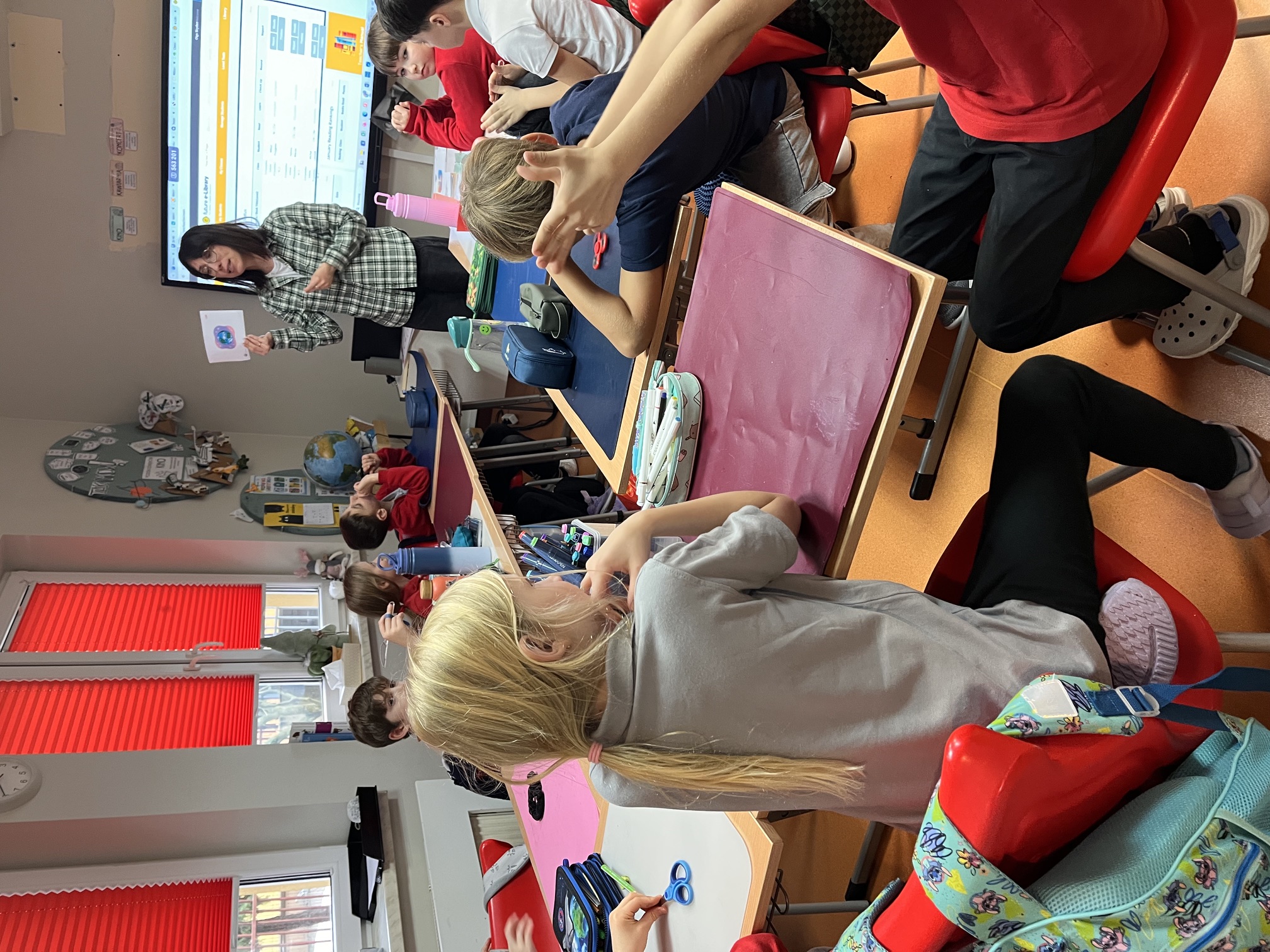
Grades 2 and 4 at Europejska Szkoła Przyszłości in Warsaw took part in the first edition of the programme in Poland. The lessons were led by Magda Dłuska and Olga Skydan. Their accounts show several ways of working with the comic series Vera the Alien Hunter, from sharing the story to developing pupils’ own ideas.
Spaceships and There is / There are
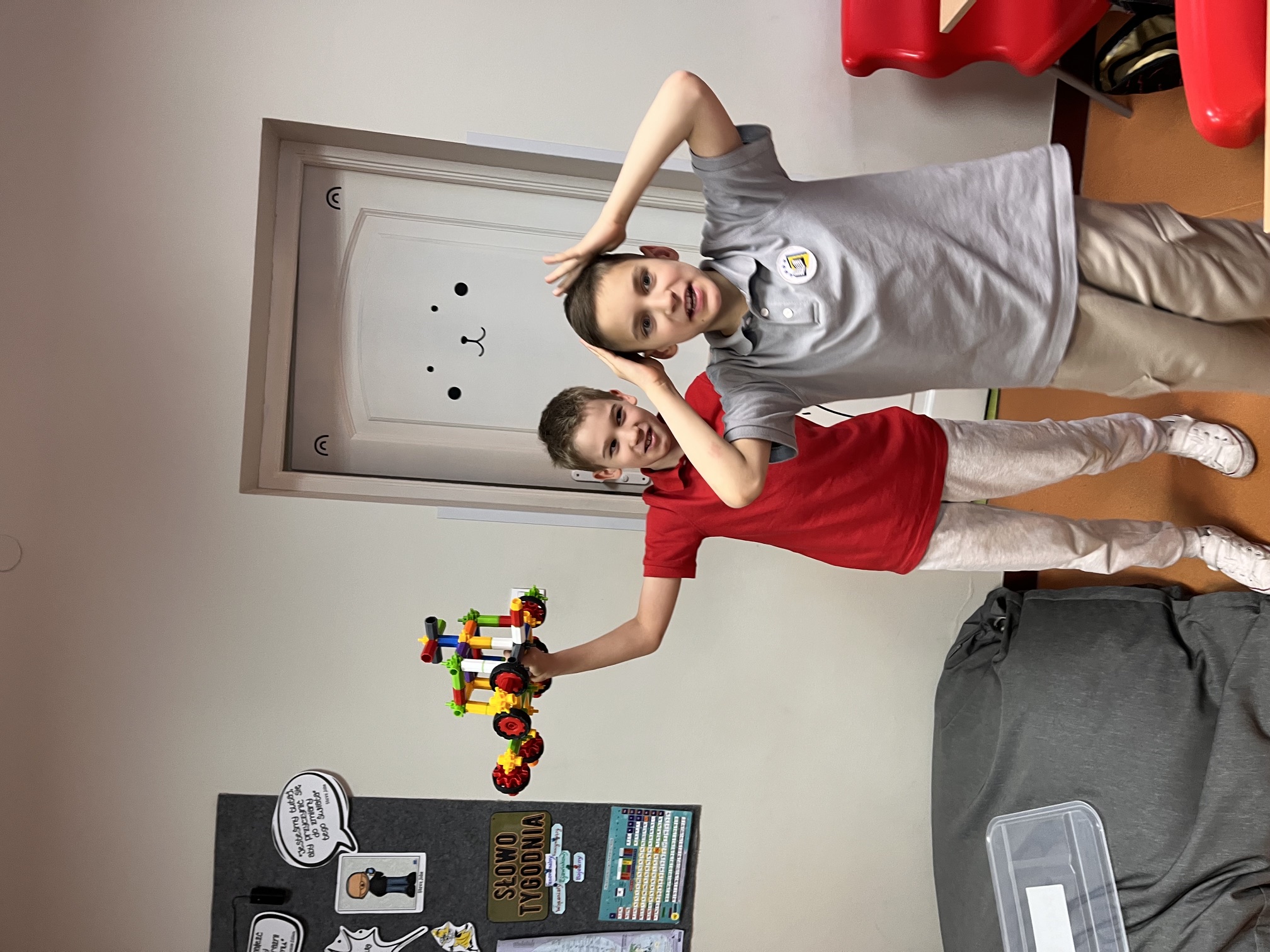
After another instalment of the comic about Vera and Luca, pupils built their own spaceships. The models gave them something concrete to present: what was inside, which features the spaceship had and where it was located.
The account includes examples such as “There are lights. There is a secret button.” Pupils practised There is / There are and language for describing location. They could use words and sentences from the story straight away to talk about their own ideas.
Classes 4A and 4B: reading leads to discussion
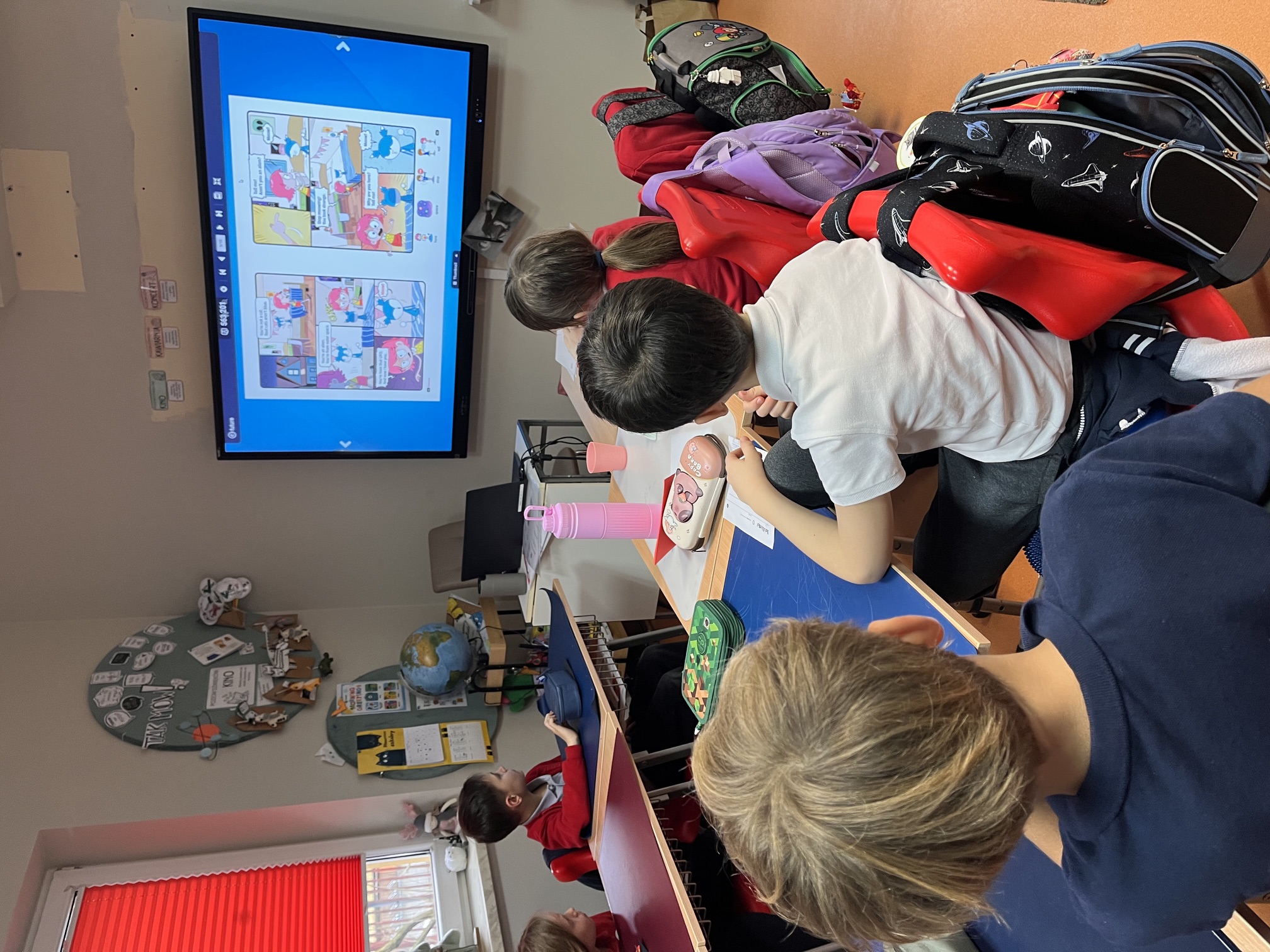
In classes 4A and 4B, work with the series included reading English for understanding, exploring vocabulary and completing a range of book-related tasks. The account from these classes describes frequent discussions about the characters and events.
The story gave the class a shared subject. Discussion let them return to what had caught their interest and use vocabulary in the context of the comic they had read.
Luca's Mission: a picture dictionary to return to
After reading Luca's Mission, Grade 2 pupils made their own picture dictionaries. They first listened to the text and completed online activities in the computer room. In the following lesson, they used the materials they had made during revision.
The dictionaries had a purpose beyond the activity itself: pupils returned to their own work to recall words. The teacher’s account describes this as an opportunity to develop independence.
A Real Alien: a vote and portraits of a space cat
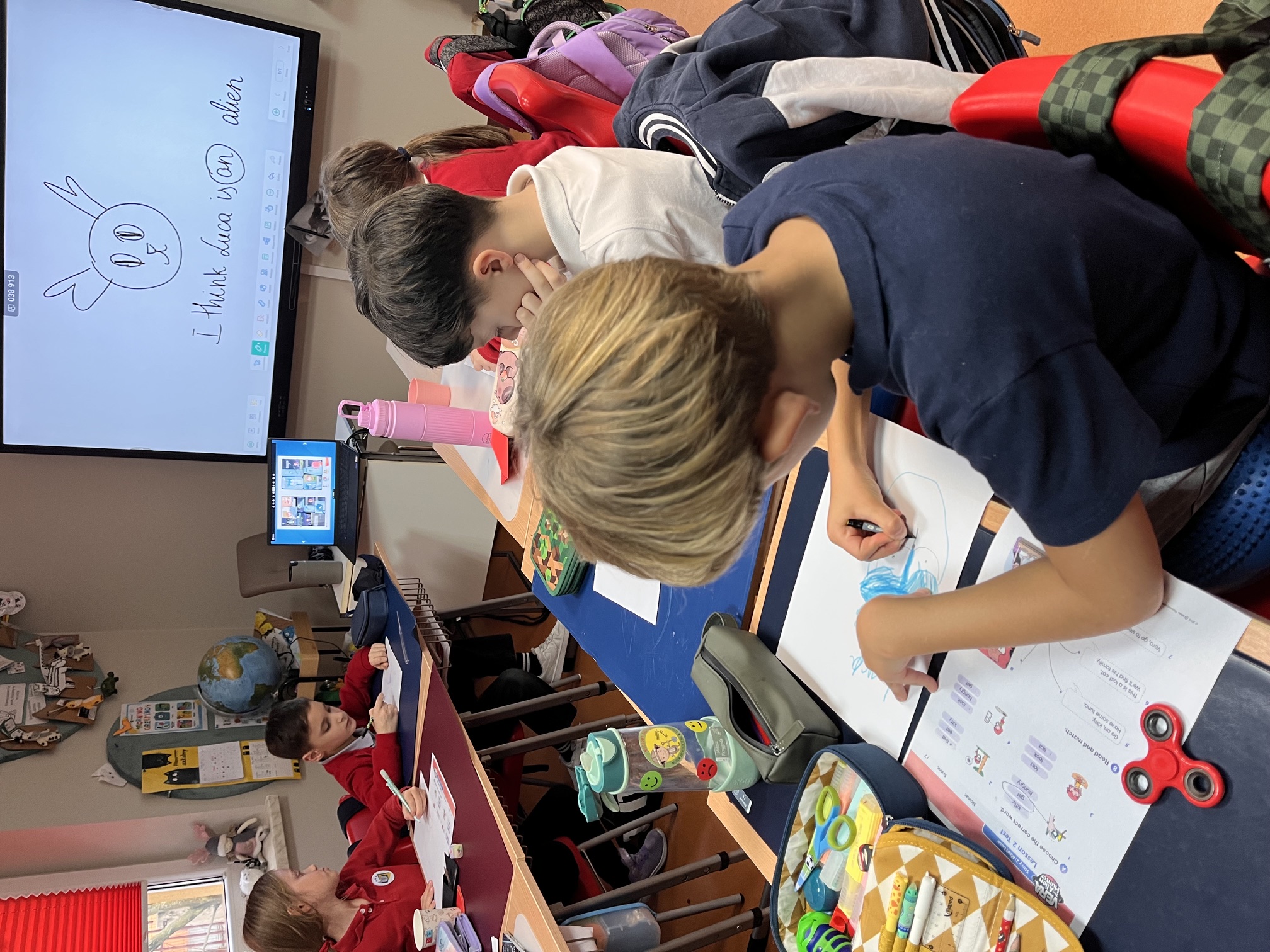
Work with A Real Alien began with an introduction to the vocabulary. Pupils read to find out more about Luca. They then voted on whether he was an ordinary cat or had powers from space, and made portraits of him. The lesson also revisited the indefinite articles a/an.
A question about the character connected reading to pupils’ own opinions and artwork. In the account of these lessons, the pupils were described as interested in reading and always looking forward to the next instalment.
A reading rhythm to try with your next group
The Warsaw school’s example offers a practical starting point:
- Offer an interesting story at a level that lets learners follow the plot. For independent reading, provide a choice of suitable books.
- Allow time to read and listen. Help when a word or passage gets in the way of understanding the story.
- Return to a selected book through discussion or a project: describing a model, making a dictionary, voting or drawing a character.
- Ask what learners would like to read next. Curiosity about another instalment can become an invitation to read independently.
In e-Library, pupils can browse the shelves for their next book and enjoy games after reading. In MetaLibrary, missions, avatar items and rankings provide additional invitations. In both, the teacher helps connect access to books with the interests of an individual reader.
Bring “I Read in English” to your school
To combine independent reading with ideas for exploring stories in class, read about the current “I Read in English” programme and complete the registration form. The examples from Europejska Szkoła Przyszłości come from the first edition in Poland; registration is for the current programme.
Purchasing a library subscription and registering for the programme are separate steps. Participation requires a separate application form. Library access lasts 6 or 12 months from activation, depending on the option the school chooses. Alongside it, the school can take part in the programme.
You can start by exploring the books and choosing a path that suits your learners. The shared aim is simple: help them find a story they want to pick up, and leave room for the next one.